

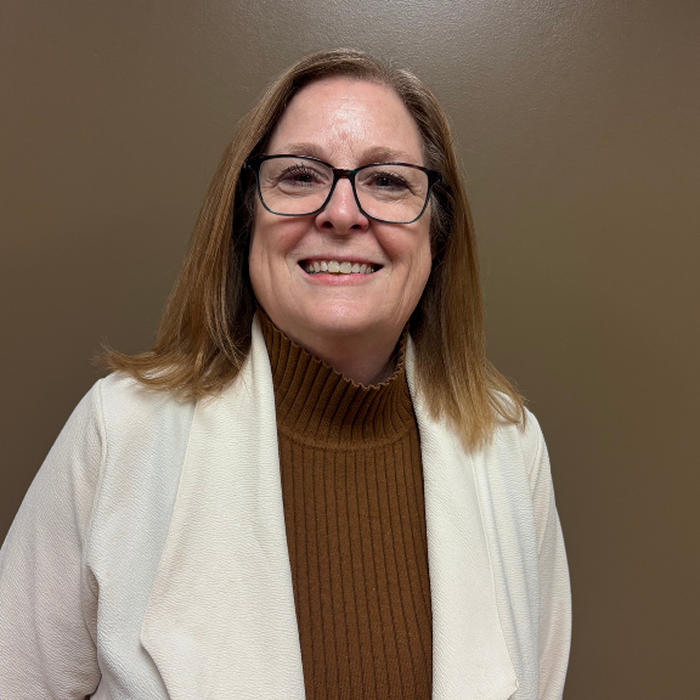
Sandi
When Every Second Matters, Knowing the Signs Makes All the Difference
For more than three decades, Sandi has worked at the MercyOne Iowa Heart Center and is currently the Operations Director. She knows the numbers, the warning signs, and she knows how quickly a heart can change a life. But nothing prepared her for the day her husband’s heart changed theirs.
In 2019, after losing 100 pounds and completing multiple triathlons, Sandi’s husband was in the best shape of his life. Running had become his new rhythm. Halfway through a run, he felt something shift. He grew light-headed, started sweating, and felt overwhelmingly unwell. His first instinct was to drive home and lie down. Instead, he pulled into a parking lot and called Sandi.
From the phone, she could hear it in his voice: something was terribly wrong. She urged him to call 911. Within minutes of arrival, paramedics recognized a STEMI heart attack and rushed him to Mercy. Sandi arrived just as he was being wheeled into the ER. The response was fast, precise, and lifesaving.
He recovered, but the journey didn’t end there. Years later, further testing revealed a blockage in his left main artery. This time, he needed open-heart bypass surgery.
The surgery went well—but the recovery was harder than either of them expected. Not because of pain, but because of the high amount of fatigue. “It was like his body was working around the clock,” Sandi recalls. “I’d never seen him with so little energy.” Cardiac rehab helped him rebuild strength, but the experience reshaped how they both understood heart disease.
For Sandi, prevention and education aren’t abstract concepts—they’re personal. “Listening to your body can save your life,” she says. “Knowing what to do in an emergency matters. And taking symptoms seriously matters even more.”
Her family’s story is a reminder of why heart health education is so important: because heart disease doesn’t wait, and every Iowan deserves the knowledge and support to act when it matters most.